Tired of Forgetting Half Your Grocery List at Home? This App Finally Made Shopping Effortless
We’ve all been there—standing in the supermarket aisle, staring blankly at our phone, wondering why we didn’t write down *that one ingredient* we came for. You’re juggling kids, work, and dinner plans, and the last thing you need is a disorganized shopping list. I used to waste time, money, and mental energy just trying to keep track. My purse was full of torn receipts with scribbled notes, my phone’s notes app had seven different lists titled “Groceries,” none of which were complete. The real cost wasn’t just the forgotten milk or the extra trip—it was the stress, the guilt, the feeling that I was always one step behind. But everything changed when I found a simple app that actually fits into real life. It’s not flashy—it just works, quietly making my days smoother.
The Moment Everything Clicked: A Real-Life Grocery Run Gone Wrong
It was a Tuesday evening, and I had big plans—homemade lasagna, a rare treat after a long week. The kids were excited, my husband had set the table early, and I was feeling proud of myself for planning ahead. I grabbed my coat, kissed everyone goodbye, and drove to the store with my trusty sticky note in hand. Halfway through the store, I reached for the ricotta cheese… and froze. It wasn’t on the list. I had completely forgotten it. I called home, hoping someone could check the fridge, but no one answered. I stood there, holding a basket full of ingredients, realizing I’d have to come back the next day or give up on the whole thing. I chose the latter. That night, we had frozen pizza instead. It wasn’t the end of the world, but it felt like a small failure. I had let down my family, and worse, I’d let myself down. The emotional toll of that moment stuck with me. It wasn’t just about ricotta—it was about feeling overwhelmed, forgetful, and out of control. That night, I made a promise: there had to be a better way.
What I realized in the days that followed was that my system wasn’t broken because I was bad at organizing—it was broken because it didn’t match how I actually lived. I needed something that moved with me, not against me. I didn’t need more discipline; I needed a smarter tool. I started looking for an app that wouldn’t add another chore to my day, something that felt natural, almost invisible. I didn’t want to spend 20 minutes learning how to use it or worry about syncing across devices. I just wanted to remember the ricotta.
Why Most Shopping Lists Fail Us (Even When We Try)
We’ve all tried to make lists work. We scribble them on napkins, type them into our phones, or try those colorful magnet boards on the fridge. But so often, they fall apart. Why? Because most tools aren’t built for real life—they’re built for perfect behavior. They assume you’ll always remember to check them, update them, and stick to them. But we’re human. We’re tired. We’re distracted. We’re cooking dinner while answering work emails and helping a child with homework. In that chaos, even the best intentions can vanish in seconds.
Take traditional notes apps. They’re useful, sure, but they’re not designed for grocery shopping. You end up with one long list where “chicken breast” is buried under “birthday card for Aunt Linda” and “printer ink.” No categorization, no smart sorting, no sharing. And paper lists? They get lost, crumpled, or left on the kitchen counter as you walk out the door. I once found three different grocery lists from the same week—one in my coat pocket, one in my laptop bag, and one under a stack of mail. It was like a scavenger hunt I never signed up for.
And then there are the apps that promise everything—meal planning, budget tracking, recipe integration, barcode scanning, AI suggestions. Sounds great, right? But here’s the truth: the more features an app has, the less likely we are to actually use it. Complexity kills consistency. If setting up a list feels like filling out a tax form, we’re not going to do it. We don’t need a digital chore—we need a digital helper. What’s missing is simplicity. We need tools that fit into our lives, not ones that demand we change our lives to fit them. The gap between intention and habit is narrow, but it’s where most systems fail.
Discovering the App That Actually Fits My Life
After weeks of searching, I found an app that didn’t try to do everything—and that’s exactly why it worked. I downloaded it on a Sunday morning while sipping coffee, and within two minutes, I had my first list started. No tutorial. No confusing menus. No pressure to connect my calendar or import recipes. Just a clean, friendly screen that said, “What do you need?” I typed in a few items, and that was it. I didn’t have to learn anything. It felt like the app was already speaking my language.
That afternoon, my husband walked into the kitchen while I was chopping vegetables. “Hey, do we have dish soap?” he asked. I pulled out my phone, opened the app, and said, “Let me check.” I added it to the list right there. He watched me and said, “Wait, is that new? That looks… easy.” I showed him how to download it, and within minutes, he was adding his own items. No resistance. No frustration. Just two people sharing a simple tool that made sense. That moment was a turning point. It wasn’t just about groceries anymore—it was about connection, about making our home run smoother with less effort.
What surprised me most was how little mental energy it took. With other apps, I felt like I was managing a project. With this one, I felt like I was just living. The interface was calm—soft colors, clear text, no ads, no pop-ups asking me to upgrade. It didn’t scream for attention. It just waited, quietly, until I needed it. And when I did, it was ready. That sense of ease—that’s what made it stick.
How It Works Without Taking Over: Simplicity in Action
The beauty of this app is in how it stays out of the way. Adding an item takes seconds. I can type it, say it out loud using voice input, or even scan a product’s barcode if I’m already in the store. I love the voice feature—when I’m cooking and realize we’re out of olive oil, I just say, “Add olive oil to groceries,” and it’s done. No unlocking my phone, no opening multiple apps. It feels like magic, but it’s just good design.
One of the most helpful features is how it organizes the list automatically. As I add items, they sort into categories like “Dairy,” “Produce,” “Pantry,” or “Frozen.” Some versions even let you customize the order to match your store’s layout. So when I walk into the supermarket, my list flows the same way I shop—produce first, then dairy, then meat. No backtracking. No missed aisles. It’s like having a personal guide who knows exactly how I like to move through the store.
And because it syncs across all my devices, I can start a list on my phone while meal planning on the laptop, then check it on my watch while pushing the cart. If my husband adds something from work, it shows up instantly. No double-checking. No confusion. The app doesn’t demand anything from me—it just works in the background, like a quiet helper who’s always paying attention.
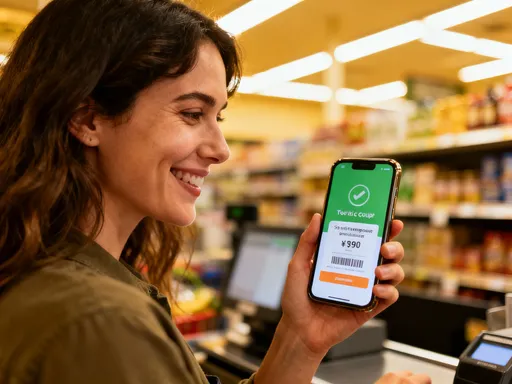
I remember the first time I used it for a full shop. I walked in, opened the app, and followed the list from top to bottom. I didn’t miss a single thing. No frantic calls home. No last-minute decisions at the checkout. I got exactly what I needed and left in 25 minutes. I felt like I’d reclaimed a piece of my day. That’s the power of simplicity—not doing more, but doing what matters, with less effort.
Sharing the List, Sharing the Load: Family Coordination Made Calm
One of the biggest changes this app brought wasn’t just for me—it was for our whole household. Before, grocery shopping felt like my responsibility, even though we all ate the food. My husband would ask, “Do we have eggs?” and I’d have to guess. The kids would beg for snacks at the store, and I’d have to decide on the spot whether we needed them. There was tension, not because anyone was trying to be difficult, but because we weren’t on the same page.
Now, we share one list. My husband adds coffee and batteries while he’s making coffee. My daughter puts “strawberry yogurt” on the list when she finishes the last one. My son remembers to add his favorite granola bars before they run out. Everyone has a voice. And because updates happen in real time, there’s no duplicate buying, no “I thought you were getting that” moments. It’s small, but it’s transformative. We’re not just sharing a list—we’re sharing responsibility.
The emotional relief has been huge. I don’t have to be the family memory keeper anymore. I don’t have to nag. I don’t have to feel guilty when I forget something. Instead, we work as a team, even when we’re in different places. It’s not about perfection—it’s about peace. One night, my husband said, “I didn’t realize how much stress was in grocery shopping until it went away.” That hit me. We had normalized the chaos, but we didn’t have to.
What’s beautiful is how this tiny tool strengthened our everyday collaboration. It didn’t fix our marriage or solve big problems—but it removed a small friction point that, over time, had worn us down. Now, when I see a new item pop up on the list, I smile. It’s not just a reminder—it’s a message from someone I love, saying, “I’m thinking about us.”
From Chaos to Calm: The Ripple Effect on Daily Life
The benefits of this app go far beyond the grocery store. Since I started using it, I’ve noticed less decision fatigue throughout the day. I’m not constantly asking myself, “What do we need?” or “Did I remember that?” That mental space has opened up for other things—being present with my kids, enjoying a quiet cup of tea, actually reading a book at night. I feel more in control, not because I’m doing more, but because I’m doing less—less worrying, less redoing, less rushing.
I’ve also cut down on impulse buys. Because my list is clear and complete, I stick to it. No more grabbing random snacks at the checkout because I’m hungry and unprepared. No more buying something because I thought we were out, only to find three containers in the pantry when I get home. My grocery bills have gone down, not because I’m depriving us, but because I’m more intentional. And that feels good.
But the biggest change is in how I see myself. I used to think I was bad at organization. Now I realize I was just using the wrong tools. When something fits your life, you don’t have to force it. You don’t have to be perfect. You just have to show up. And over time, those small wins—remembering the ricotta, avoiding the extra trip, sharing the load—add up to a bigger sense of calm. I feel more capable. More confident. More like the version of myself I want to be.
It’s amazing how one small shift can ripple through your whole day. I’m not just shopping better—I’m living better. And that’s worth more than any app feature could promise.
Making It Your Own: Tips to Start Without Overthinking
If you’re thinking about trying a shared shopping app, my biggest piece of advice is this: start small. Don’t try to import every recipe or build a perfect system on day one. Just create one list. Add five things. Invite one person—your partner, your teenager, your roommate. Let it be messy. Let it be simple. The goal isn’t efficiency; it’s ease.
Try adding items as you run out of them. Keep your phone nearby while you’re cooking or cleaning. Say the item out loud if that’s easier. Don’t worry about categories or formatting—let the app sort it. The more you use it, the more natural it will feel. And don’t be surprised if someone in your home picks it up faster than you expect. I thought my husband would resist, but he loved not having to ask, “Do we have this?” anymore.
You can also link it to your weekly routine. If you plan meals on Sundays, spend five minutes building the list then. If you shop during lunch breaks, check the list before you leave. The key is to attach it to something you already do, so it doesn’t feel like extra work. And if you forget to use it one week? No big deal. Just start again. This isn’t about perfection—it’s about progress.
Most importantly, pay attention to how it feels. Do you feel lighter? Less stressed? More connected? That’s the real measure of success. Technology shouldn’t complicate your life—it should help you enjoy it more. And when it does, it’s not just a tool. It’s a quiet act of self-care.
So go ahead. Download one. Try it for a week. See what happens when you stop carrying the whole list in your head. You might be surprised how much space opens up—not just in your purse, but in your mind. You’ve got enough on your plate. Let this one thing be easy. Because you deserve a little calm. And sometimes, it starts with remembering the ricotta.