Sick of missing holiday deals? This coupon app finally made savings effortless
We’ve all been there—scrolling through endless emails, juggling paper clips, and still missing the best holiday discounts. Last season, I was overwhelmed trying to save for gifts while keeping track of expiring coupons. Then I found a simple app that changed everything. It organized my deals, reminded me of deadlines, and actually worked when I checked out. No glitches, no surprises—just reliable savings, exactly when I needed them. It wasn’t flashy or complicated. It didn’t promise miracles. But it did what it said it would, every single time. And that made all the difference. For the first time in years, I felt in control. Not just of my budget, but of my peace of mind during one of the busiest times of the year. That’s why I want to share this with you—not because it’s perfect, but because it’s real, it’s steady, and it works when it matters most.
The Holiday Shopping Chaos We All Know
Let’s be honest—holiday shopping shouldn’t feel like a survival test. But for so many of us, it does. I remember standing in line at a popular department store last December, juggling bags, phone, and a toddler on my hip. I pulled up what I thought was a 30% off coupon for my son’s winter coat, only to be told at the register that the code had expired. I’d missed the fine print buried in a pop-up window. The cashier gave me a sympathetic look, but that didn’t change the fact that I’d just overspent by $45. I walked out feeling frustrated, defeated, and a little foolish. And I know I’m not alone. So many women I talk to—mothers, wives, daughters managing family budgets—tell the same story. We start with good intentions: clip coupons, sign up for alerts, plan our shopping lists. But somewhere between school events, dinner prep, and keeping the house running, things slip through the cracks. The stress isn’t just about money. It’s about feeling like you’re failing at something that should feel joyful. The holidays are supposed to be about warmth, connection, and giving—not scrambling, overspending, and last-minute panic.
And let’s not forget the mental load. It’s not just the physical act of shopping. It’s the invisible work: tracking which store has which deal, remembering which coupon expires when, coordinating online and in-store offers, and trying to stretch every dollar without sacrificing quality. I used to keep a folder on my phone with screenshots, another in my email, and a paper binder on the kitchen counter. Still, I’d forget. Or worse, I’d get to the store and realize the app wouldn’t load. That’s when I started asking myself: why is something meant to save me money making me feel more stressed? Why does a tool designed to help end up adding to the chaos? It wasn’t until I found an app that actually worked—consistently and quietly—that I realized the problem wasn’t me. It was the tools I’d been using. They weren’t built for real life. They were built for clicks, for data, for ad revenue. But not for someone like me—a busy woman trying to do her best with limited time and energy.
Why Most Coupon Apps Let You Down When It Matters
Here’s the truth: not all coupon apps are created equal. In fact, most of them are designed more for engagement than reliability. I’ve tried at least a dozen over the years. Some promised the world—exclusive deals, cashback, even gift cards just for signing up. But when I actually needed them, they failed. I remember one Black Friday morning, my sister and I had planned a shopping trip. We were excited—early bird deals, matching sweaters for the girls, a few things for ourselves. I had coupons loaded for two major stores. But at the first one, the app froze. I tapped, swiped, restarted my phone—nothing. The store associate said they’d seen this happen all morning. The app just couldn’t handle the traffic. I felt my face get hot. My sister whispered, “Happens every year.” And it broke my heart a little. Because we weren’t asking for much. Just for a simple tool to do what it promised. But instead, we were left scrambling, missing out, and spending more than we wanted.
The issues are familiar to anyone who’s relied on these apps during peak times. Some require constant internet connection, so if you’re in a basement store or a rural area, you’re out of luck. Others sync inconsistently across devices—so the coupon you saved on your phone doesn’t show up on your tablet. Some hide the terms and conditions so deeply you don’t realize a deal is only valid in certain states—or only before noon. And then there’s the worst: the app that works in the ad but not in real life. You see a flashy promo—“Scan and save instantly!”—but when you try it, nothing happens. No error message, no explanation. Just silence. That kind of unreliability doesn’t just cost money. It costs trust. It makes you question whether you should bother at all. And over time, that leads to giving up. I know I almost did. But then I realized: maybe the problem wasn’t the idea of digital coupons. Maybe it was just the wrong app. What if there was one built not for hype, but for help? One that didn’t try to impress me with bells and whistles, but simply worked—quietly, consistently, without drama?
Finding the One That Actually Works—My Turning Point
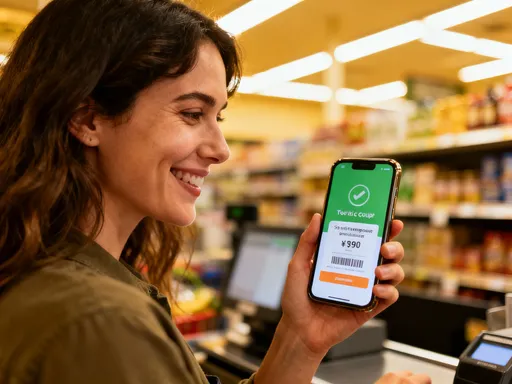
It happened by accident. I was at a coffee shop, scrolling through reviews while waiting for my daughter’s piano lesson to end. I typed in “reliable coupon app” and added “no glitches” just out of frustration. One name kept coming up: ShopSavvy. Not the flashiest name, not the most downloaded, but the reviews were different. Women like me—busy, practical, tired of gimmicks—were saying things like “It just works” and “Finally, an app I can count on.” I downloaded it that afternoon. No sign-up wall, no pop-up ads, no pressure to share my data. Just a clean, simple interface. I added my favorite stores, linked my loyalty cards, and imported a few active deals. That weekend, I went shopping with zero expectations. But when I opened the app in the store, the coupon loaded instantly. I used it. It scanned perfectly. And the discount was applied—no questions, no issues. I stood there for a second, almost surprised. It felt… normal. And that was the most extraordinary part. Because in a world where tech often feels complicated, unreliable, or intrusive, something that just works feels like a gift.
But what really changed my mind wasn’t just that one success. It was the consistency. Over the next few weeks, I used it for groceries, gas, pharmacy runs, and holiday gifts. Every time, it worked. No crashes. No expired deals I didn’t know about. No surprise terms. And the best part? It didn’t demand my attention. I didn’t get bombarded with notifications or forced to watch ads to see my own coupons. It was there when I needed it, quiet and ready. I started to feel something I hadn’t in years: trust. Not just in the app, but in myself. I wasn’t failing at saving money. I just hadn’t had the right tool. And now that I did, I felt lighter. More in control. Like I could finally breathe during the holidays instead of holding my breath.
How It Stays Stable—Even on Black Friday
You might be wondering: how does it stay so reliable when others crash under pressure? I asked the same question. From what I’ve learned—and I’m not a developer, just a curious user—it comes down to design philosophy. Most apps are built to do as much as possible: track your browsing, serve ads, collect data, push notifications. All of that takes processing power, and when thousands of people open the app at once, it slows down or crashes. ShopSavvy, on the other hand, is built to do one thing well: deliver your saved coupons, fast and reliably. It has a minimal design—no flashy animations, no autoplay videos, no endless scrolling feeds. That means it uses less memory, loads faster, and is less likely to freeze. Think of it like a well-maintained sedan versus a high-performance sports car with too many gadgets. The sports car might look impressive, but when it’s icy outside and you just need to get to work, you want the car that starts every time. That’s what this app feels like.
Another key feature is offline access. Once you’ve saved a coupon, it’s stored on your phone. So even if you’re in a store with poor signal—or your data runs out—you can still open the app and use your deals. That’s been a game-changer for me, especially when shopping in malls or rural areas where service is spotty. And the app updates quietly in the background, fixing bugs before they become problems. I’ve never had to manually clear cache or reinstall it. It just keeps working. The developers seem to prioritize stability over growth, which is rare these days. They don’t bombard you with prompts to rate the app or share it with friends. They just keep it running smoothly. It’s not trying to be everything to everyone. It’s trying to be something reliable for people who need it. And that focus makes all the difference.
Real-Life Wins: What I Saved and How I Used It
The numbers speak for themselves, but the feelings matter more. Over the holiday season, I saved over $120 on groceries—just by using digital coupons instead of paper ones I’d inevitably forget. I got 40% off three of my kids’ gifts by stacking a store promotion with a loyalty discount, all managed through the app. I saved $35 on gas during our Thanksgiving road trip, thanks to automatic fuel rewards that kicked in at the pump. And I didn’t have to jump through hoops or remember special codes. It just happened. But here’s what those savings really bought me: time, calm, and choice. I didn’t have to stress over every dollar. I didn’t have to say “no” as often. I was able to buy my niece that art set she’d been hinting about. I treated my husband to dinner out—something we hadn’t done in months. And I donated $50 to our local food pantry, something I wouldn’t have felt comfortable doing if I’d been stretched thin.
But beyond the money, what I gained was confidence. I stopped feeling like I was missing out or making mistakes. I started planning ahead, not reacting in panic. I even enjoyed shopping again—something I hadn’t thought possible. One evening, my daughter looked up from her homework and said, “Mom, you seem less stressed this year.” That hit me right in the heart. Because she was right. I wasn’t snapping over small things. I wasn’t staying up late trying to fix budget mistakes. I was present. I was calm. And that, more than any discount, was the real win. The app didn’t just save me money. It gave me back my peace. And that’s something no price tag can measure.
Making It Part of Your Routine—Simple Tips That Stick
I know how easy it is to download an app and forget it. I’ve done it a hundred times. So I want to share what actually worked for me—no perfection required. First, I set a weekly 10-minute check-in every Sunday morning while my coffee brews. I open the app, scan for new deals at stores I’ll visit that week, and save what’s relevant. That’s it. No marathon sessions. No overwhelm. Just a quick touchpoint. Second, I organize my coupons by category—“Holiday Gifts,” “Groceries,” “Pharmacy”—so I can find what I need fast. Third, I use the app’s reminder feature for expiration dates. It sends me a gentle alert two days before a deal ends, so I don’t miss it. And finally, I link it to my loyalty accounts so discounts apply automatically—no extra steps at checkout.
When my friend Lisa asked me how I was doing it, I said, “It’s not about doing more. It’s about doing less, but smarter.” She tried it last month and texted me: “I used my first coupon today. It worked. I felt like a genius.” That made me smile. Because that’s how it starts—not with a big overhaul, but with one small win. One moment of trust. One time the tech actually helps instead of hinders. You don’t have to be tech-savvy. You don’t have to spend hours on it. You just have to give yourself permission to use a tool that makes life easier. And once you do, the rest follows.
More Than Savings—How This Gave Me Back Time and Calm
Looking back, I realize the app didn’t just change how I shop. It changed how I feel during the holidays. I used to dread the season—the pressure, the noise, the endless to-do list. Now, I still have a list. But it doesn’t own me. I’m less reactive. Less anxious. I make decisions with more confidence because I know I have a system that works. I don’t waste mental energy wondering if I missed a deal or if a coupon will fail. That’s one less thing to carry. And in a life full of responsibilities, that kind of relief is priceless. I’ve noticed I’m more present with my family—laughing more, listening more, rushing less. I’m not multitasking during dinner or checking my phone under the table. I’m here. And that’s where I want to be.
There’s a quiet dignity in having a tool that respects your time and energy. One that doesn’t demand attention but offers support. That’s what this app has become for me—not a gadget, not a gimmick, but a quiet partner in the background, helping me care for my family without sacrificing my peace. In a world that often feels chaotic and demanding, reliability is a form of kindness. It says, “You’ve got enough to handle. Let me take this one thing off your plate.” And when technology does that—when it serves rather than distracts, supports rather than overwhelms—it becomes something more than useful. It becomes meaningful.
It’s not about chasing every deal—it’s about using technology that works so you don’t have to. A stable, trustworthy coupon app didn’t just save me money; it saved my holiday spirit. When tech quietly handles the small things, we’re free to focus on what really matters. And that’s the best gift of all.