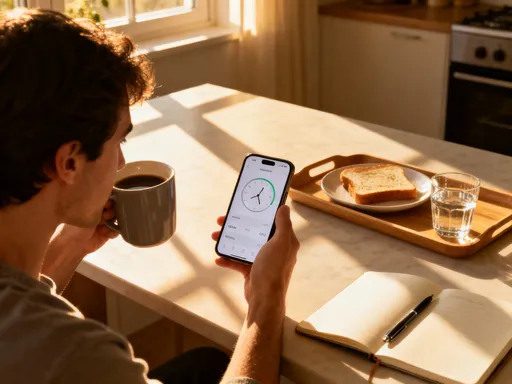
Tired of choosing between a healthy meal and your busy schedule? This app changed how I eat
We’ve all been there—rushing through lunch at your desk, grabbing snacks just to keep going, or staring into the fridge with no idea what to cook. You want to eat well, but when your day is packed, healthy eating feels like one more task you don’t have time for. I used to think balancing meals and time was impossible—until I found a simple tech tool that quietly transformed my routine, my energy, and even my focus. It wasn’t a flashy meal delivery service or a complicated diet plan. It was something I originally downloaded for an entirely different reason: a meditation app. And it didn’t just calm my mind—it changed how I eat.
The Daily Crunch: When Healthy Eating Feels Impossible
Let’s be honest—most of us aren’t living the kind of life where we have hours to shop, chop, and simmer. We’re juggling work deadlines, school drop-offs, laundry that never ends, and the constant hum of to-do lists that seem to grow faster than we can check things off. I remember one Tuesday morning like it was yesterday. My youngest was late for the school bus, I spilled coffee on my favorite blouse, and by the time I sat down at my desk, it was already 10:30 a.m. and I hadn’t eaten anything. Lunch? I skipped it. By 3 p.m., I was running on caffeine and a granola bar I found in my bag. Sound familiar?
This isn’t just about being busy. It’s about how our systems break down under pressure. When time is tight, healthy eating becomes the first thing we sacrifice. We don’t skip meals because we don’t care—we skip them because we’re overwhelmed. And each time we do, there’s a quiet emotional toll. That little voice in your head? The one that says, “I really should’ve eaten better today”? That’s not just guilt. It’s exhaustion. It’s frustration. It’s the feeling that no matter how hard you try, you’re always one step behind.
And the truth is, it’s not your fault. Most diet advice assumes you have time, energy, and mental space—three things that are in short supply when you’re managing a household, a career, or both. We’ve been sold the idea that eating well requires perfect planning, gourmet skills, or expensive subscriptions. But what if the real issue isn’t your willpower? What if it’s that we’ve been looking at the problem all wrong?
How a Meditation App Unexpectedly Fixed My Diet
Here’s the twist: I didn’t download a meditation app to fix my eating. I downloaded it because I couldn’t sleep. My mind was racing every night—work stress, family worries, that email I sent and immediately regretted. A friend suggested I try a mindfulness app, just for ten minutes before bed. Skeptical but desperate, I gave it a shot.
At first, it felt awkward. Sitting still, focusing on my breath, listening to a calm voice guiding me through a body scan—it was nothing like my usual evening routine of scrolling through news or checking work messages. But after a few days, something shifted. I started falling asleep faster. I woke up feeling more rested. And then, almost without realizing it, I noticed changes in how I ate.
One afternoon, I reached for a bag of chips—my usual 3 p.m. pick-me-up—and paused. Not because I remembered my diet goals, but because I actually felt the craving instead of just reacting to it. That tiny moment of awareness made all the difference. Instead of mindlessly eating, I asked myself: Am I actually hungry? Or am I just tired? Turns out, I was exhausted, not hungry. I got up, poured a glass of water, and did a two-minute breathing exercise from the app. And just like that, the craving passed.
It wasn’t magic. It was mindfulness. That app didn’t tell me what to eat or count my calories. It helped me slow down enough to notice what my body really needed. And in that space—between impulse and action—I started making different choices. Not because I was forcing myself, but because I was finally paying attention.
The Hidden Power of Pause: Training Your Brain for Better Choices
You’ve probably heard the phrase “take a breath” when you’re stressed. But what if that simple act could actually rewire your daily habits? That’s exactly what happened when I started using the meditation app regularly. I didn’t realize it at the time, but those short sessions were doing something powerful: they were training my brain to pause.
Think about it. Most of our eating decisions happen on autopilot. We grab a snack because it’s there. We eat lunch at our desk because we’re in the middle of a task. We order takeout because it’s easier than cooking. These aren’t bad choices—they’re just fast ones. And when your nervous system is in “go mode,” speed wins every time.
But mindfulness changes that. It’s not about sitting cross-legged for an hour or chanting. It’s about creating a tiny reset in your day. Even two minutes of focused breathing can shift your body from “rushed” to “ready.” You move from reacting to responding. And that makes all the difference when it comes to food.
I started using a simple technique I call the “before-meal breath.” Before I eat anything—breakfast, lunch, a snack—I take one slow inhale through my nose, hold it for a beat, and exhale through my mouth. That’s it. No app needed, though I still use one when I can. But even that one breath creates space. It lets me ask: What am I really hungry for? Am I eating because I need fuel, or because I’m stressed, bored, or just used to it?
And here’s the thing: once you start asking those questions, you start making better choices—not because you’re restricting yourself, but because you’re more in tune with your body. You might still have the cookie, but now it’s a choice, not a reflex. And sometimes, just pausing is enough to realize you don’t want it at all.
From Mindful Minutes to Meal Planning: Building a Realistic Routine
Here’s where it gets even better: those little moments of mindfulness didn’t just change how I ate in the moment—they started changing how I planned for meals. One evening, after a ten-minute meditation, I felt unusually clear-headed. Instead of collapsing on the couch, I thought, What if I spent five minutes planning tomorrow’s meals? So I did. I opened my notes app and jotted down breakfast, lunch, and a simple dinner idea. I even added a reminder to pick up vegetables on the way home.
The next day, something amazing happened: I actually followed through. Because I had a plan, I wasn’t staring into the fridge at 6 p.m. wondering what to cook. I had ingredients ready. I wasn’t tempted by fast food because I already knew what I was eating. And for the first time in months, my family sat down together for dinner—no last-minute pizza, no stress, just a simple, nourishing meal.
That small win sparked a habit. Now, every night before bed, I spend five minutes planning the next day’s meals. I use my phone’s voice memo app to record quick reminders: “Don’t forget broccoli,” “Leftover soup for lunch,” “Ask kids what they want for dinner.” It takes less time than scrolling through social media, and the payoff is huge.
But here’s the real secret: it’s not about perfection. Some days, I forget. Some days, plans change. And that’s okay. The goal isn’t to eat perfectly every day—it’s to make it easier to make good choices most of the time. And having a simple plan, supported by a few mindful minutes, makes all the difference. It’s not about adding more to your plate. It’s about making what’s already there work better for you.
Tech That Fits Your Life, Not the Other Way Around
Let’s talk about technology. We’ve all tried apps that promise to fix our health, only to feel more stressed by rigid tracking, complicated logging, or constant notifications. I’ve been there—counting calories, scanning barcodes, feeling guilty when I missed a meal entry. It felt like another job, not self-care.
What changed for me was finding tools that adapt to my life, not the other way around. The meditation app I use doesn’t demand hours of commitment. It offers three-minute breathing exercises, five-minute sleep stories, ten-minute guided sessions—whatever I can fit in. It doesn’t judge me for skipping a day. It just waits, gently inviting me back.
And I started applying that same philosophy to how I use tech for eating. Instead of using a strict diet app, I use simple tools: my phone’s notes, voice memos, calendar reminders. I set a gentle alert for 5 p.m. that says, “Time to think about dinner.” I use my grocery list app to add items as I run out—no need to remember everything at once.
One small but powerful change: I turned off work notifications during meal prep time. For 30 minutes in the evening, my phone goes into “focus mode.” No emails, no messages—just me and the kitchen. That boundary protects my time and my energy. And it sends a message: This matters. I matter.
Technology doesn’t have to be overwhelming. When used with intention, it can be a quiet ally. It can remind you to breathe, help you plan a meal, or simply give you five minutes of peace. The best tech isn’t the fanciest—it’s the kind that fits seamlessly into your life and supports you without adding pressure.
More Than Meals: Gaining Time, Energy, and Peace
When I first started using the meditation app, I thought the benefit would be better sleep. And it was. But what I didn’t expect was how it would ripple into every part of my day. Eating more mindfully didn’t just improve my diet—it changed my energy, my focus, and even my time management.
I used to hit that 3 p.m. wall like clockwork. Now, because I’m eating more balanced meals and actually pausing to eat them, I don’t crash. I stay focused longer. And because I’m not scrambling to figure out dinner every night, I actually finish work earlier. It sounds strange, but taking care of myself made me more efficient, not less.
And then there’s the emotional shift. I feel lighter. Not just because I’m eating better, but because I’m not carrying that constant weight of guilt. I’m not beating myself up for skipping a meal or grabbing a snack. I’m making choices with awareness, and that makes all the difference. I feel more in control—not of my diet, but of my life.
My family noticed, too. My kids started asking, “Can we eat together tonight?” My partner commented that I seemed less stressed. And slowly, we’ve built a new rhythm—one where meals are not an afterthought, but a moment to connect, recharge, and enjoy.
This isn’t about radical change. It’s about small shifts that add up. It’s about realizing that taking care of yourself isn’t selfish—it’s sustainable. And when you feel better, everyone around you benefits.
A Calmer You, One Meal at a Time
Looking back, I realize I wasn’t just struggling with food. I was struggling with pace. With pressure. With the feeling that I was always behind. And the solution wasn’t a stricter diet or a busier schedule. It was learning to slow down—just enough to make better choices.
The meditation app didn’t give me more hours in the day. But it gave me something just as valuable: presence. That presence helped me see that healthy eating isn’t about perfection. It’s about intention. It’s not about adding more tasks—it’s about doing what you already do with more awareness.
If you’re feeling overwhelmed, I’m not going to tell you to download ten apps or overhaul your entire routine. Start small. Take one breath before your next meal. Use your phone to set one reminder for dinner prep. Try a five-minute meditation before bed. See how it feels.
Because here’s the truth: you don’t need more willpower. You need more support. And sometimes, the most powerful tool isn’t a diet plan or a fitness tracker—it’s a moment of stillness. It’s the space between impulse and action. It’s the chance to choose, not react.
Let technology be that bridge. Not a distraction, but a doorway to a calmer, clearer, more intentional way of living. One breath. One meal. One day at a time. You’ve got this.