From Overwatered to Effortless: How Smart Plant Care Gave Me My Weekends Back
Gone are the days of guessing when to water my basil or rushing home to save wilting ferns. I used to kill every plant I touched—until I discovered smart plant sensors and automated care systems that actually fit into real life. No tech jargon, no complicated setups—just quiet, reliable help that kept my greenery thriving while I focused on family dinners, weekend hikes, and actually enjoying my home. This isn’t about having a perfect indoor jungle—it’s about feeling in control, connected, and calm. And honestly, it changed more than just my plants. It changed how I move through my days, how I feel in my space, and how much I trust myself to care for something without burning out.
The Constant Guilt of a Plant Lover Who Kills Everything
I’ve always loved the idea of a home filled with plants. The soft green against the walls, the way sunlight filters through leaves, the quiet sense of life humming in the corners—it just feels peaceful. But for years, my reality looked more like a graveyard of crispy succulents and drooping spider plants. I’d buy a beautiful pothos from the nursery, full of hope, only to find it yellowing within weeks. I’d read the care tag: 'Water when soil is dry.' But what did that mean? Was it dry an inch down? Two? Was the light by the kitchen window enough, or was I starving it without knowing? I tried everything—setting phone reminders, buying fancy watering cans, even talking to them like they were toddlers. Nothing worked.
And each dead plant felt like a tiny personal failure. Not because I needed to be a perfect plant parent, but because I wanted my home to feel alive, cared for, and balanced. When the peace lily I’d bought to 'bring calm' turned into a brown skeleton, I didn’t just mourn the plant—I mourned the version of myself I thought I should be. The one who could effortlessly keep things growing while juggling work, meals, school runs, and bedtime stories. It wasn’t about the plants, really. It was about feeling like I was dropping the ball on one more thing. That little pot on the windowsill became a mirror, and I didn’t like what it reflected.
Have you ever felt that way? Like you’re trying so hard, but the small things still slip through? I wasn’t lazy. I wasn’t careless. I was just… busy. And tired. And honestly, a little defeated. I started avoiding plant sections at stores because it hurt too much to want something I couldn’t seem to keep alive. But then, something shifted. I realized I wasn’t the problem. The way I was trying to care for plants was.
Discovering That It Wasn’t Me—It Was the Method
The turning point came during a weekend trip. I left my favorite fern with a neighbor, but when I got back, it was limp and sad. She swore she watered it. I didn’t blame her—I blamed the system. How could anyone know exactly what a plant needed without being a botanist? That’s when I stumbled on a friend’s Instagram post showing a tiny device stuck in her monstera’s pot. 'This tells me when it’s thirsty,' she wrote. I rolled my eyes at first—another gadget? But then I thought, what if this wasn’t about being fancy, but about being kind to myself?
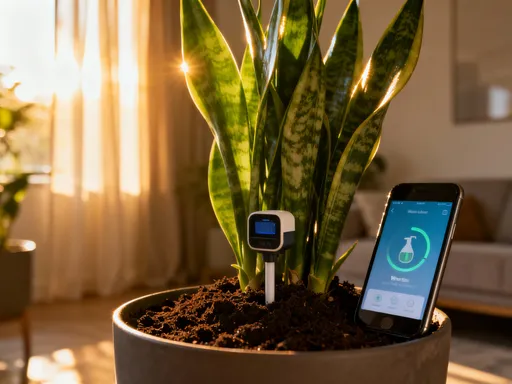
I started researching, not for complex tech, but for tools that made sense in a real home. What I found wasn’t sci-fi. It was simple: small sensors that check soil moisture, light levels, and temperature—basically, the three things plants need to thrive. And instead of guessing, these little devices send alerts to my phone. No more second-guessing. No more overwatering. Just clear, gentle nudges like, 'Your snake plant could use a drink,' or 'The fiddle leaf fig is loving this light!' It felt less like tech and more like finally having a guide.
What surprised me most was how quickly the guilt faded. I wasn’t failing anymore. I was learning. And the best part? I didn’t need a green thumb. I just needed a little help. That shift—from blaming myself to solving the problem—was huge. It reminded me that we don’t have to do everything alone. Sometimes, the smartest thing we can do is use the tools that exist to make life a little easier. And honestly, isn’t that what being a good mom, a good partner, a good person is about? Working with what works, not against it?
How Tiny Sensors Became My Plants’ Voice
Before, my plants were silent, and their silence was stressful. By the time I noticed a leaf drooping, it was often too late. But now, thanks to these small sensors, they finally have a voice. I think of them as quiet translators—tiny ambassadors from the plant world, sending me updates in plain English. One sticks into the soil like a little metal fork. It checks how much water is down there, not just on the surface. Another measures how much light the plant gets each day. And some even track room temperature, which matters more than I ever realized.
They connect to an app on my phone—nothing flashy, just clean and simple. I get a notification when something needs attention. Not a pushy alarm, but a soft ping, like a friend tapping my shoulder. 'Your aloe is doing great!' or 'The ZZ plant is a bit dry—maybe water in the next day or two?' No panic. No surprises. Just calm, clear information. I remember the first time I got an alert while driving to pick up my daughter from soccer. Instead of that old knot of worry—'Did I forget to water the orchid?'—I just smiled. I checked the app. All good. That small moment of peace? It was everything.
And the best part? It’s not just about water. Light matters so much. I had a spider plant in what I thought was a bright spot, but the sensor showed it was actually getting barely any direct light. No wonder it wasn’t growing! I moved it near the east-facing window, and within weeks, it started sending out new shoots. It wasn’t broken. It was just in the wrong place. That little insight made me feel like I was really *seeing* my plants for the first time. Not just looking at them, but understanding them. And that connection? That’s what made plant care feel meaningful again.
Automation That Fits, Not Controls, My Life
Sensors were a game-changer, but the real freedom came when I added a simple smart watering system. I know what you’re thinking—'Isn’t that overkill?' But hear me out. This isn’t some robotic arm watering my plants while I sleep. It’s a small reservoir with a timer and a thin tube that delivers water directly to the soil. I set it up once, fill the tank, and it waters my herbs and thirsty ferns on a schedule I choose. I can adjust it from my phone if I’m away or if the weather changes.
It’s been a lifesaver during busy weeks. Last month, my son had three birthday parties in one weekend, and I was hosting dinner on Sunday. Normally, I’d be stressed about who would water the plants or if they’d dry out. This time, I just checked the app, made sure the reservoir was full, and let the system handle it. Came home to lush, happy greenery—and more energy to enjoy the weekend. That’s the kind of win that matters.
And it’s not just for vacations or emergencies. It’s for the in-between moments. The days when you’re running late, when dinner takes longer than expected, when the dog needs a vet visit. Life doesn’t follow a perfect schedule, and neither should plant care. These tools don’t take over—they adapt. They give me flexibility without guilt. I still water some plants by hand—my peace lily, for example, likes a good soak in the sink. But now, it’s a choice, not a chore. I get to decide when and how to care, not because I’m afraid of killing something, but because I enjoy it.
Setting it up was easier than I thought. No wiring, no drilling, no confusing manuals. Most of these systems are designed for people like us—busy, not tech experts, just wanting a home that feels good. I followed the app instructions, connected it to my Wi-Fi (which took about five minutes), and within an hour, it was working. Now, I barely think about it. Which, honestly, is the point. The best tech doesn’t demand attention. It just quietly supports your life.
More Than Greener Leaves—Rediscovering Calm at Home
There’s something about walking into a room and seeing plants that are actually thriving. It’s not just visual—it’s emotional. My home feels more alive, more cared for, more *mine*. I used to dread the plant corner because it reminded me of failure. Now, I linger there. I touch the leaves. I notice new growth. It’s become a little ritual of calm in my day. And science backs this up—studies show that being around healthy plants can reduce stress, improve mood, and even help you focus better. I didn’t realize how much the struggle with plants was weighing on me until it was gone.
Now, instead of anxiety, I feel pride. Not because I’m some expert, but because I created a system that works. And that sense of accomplishment spills over. When I can care for something small and steady, it reminds me I can handle bigger things too. It’s like my plants are quietly cheering me on. And my family notices. My daughter started calling the snake plant 'Uncle Steve' and talks to it every morning. My husband, who used to tease me about my 'plant graveyard,' now asks how the orchid is doing. It’s become part of our rhythm.
I also sleep better. I know that sounds dramatic, but it’s true. At night, I don’t lie awake wondering if I overwatered the aloe or if the fig tree is too cold. I check the app if I’m curious, but mostly, I trust it. That peace of mind is priceless. And isn’t that what we all want? A home that supports us, not stresses us? These tools didn’t just save my plants. They gave me back my sense of balance. They reminded me that care doesn’t have to be hard to be meaningful.
Sharing the Joy: When Plants Bring People Together
One of the sweetest surprises has been how much joy these thriving plants have brought to my family. My son loves helping me check the sensor readings. 'Mom, the app says the mint needs water!' he’ll announce, like he’s solving a mystery. We turn it into a little game—checking the numbers, deciding if it’s time to water, celebrating when new leaves appear. It’s become a way for him to learn about nature, responsibility, and how small actions lead to big results. And honestly, it’s brought us closer.
I’ve also started sharing cuttings with friends and neighbors. Before, I was too embarrassed—what if they died under someone else’s care? But now, I can confidently say, 'Here’s a piece of my pothos. Just stick it in water, and when it roots, pop it in soil. And if you want, I’ll send you the sensor link—it helps so much.' Last month, my neighbor texted me a photo of her new spider plant, thriving on her kitchen windowsill. 'Your gift is doing great!' she wrote. It felt like more than a plant. It felt like connection.
Even at work, it’s come up. A colleague saw a photo of my fiddle leaf fig on my desk and asked how I keep it so healthy. I told her about the sensor, and now three people in our office have them. We joke about our 'plant group chat' in the app. It’s silly, but it’s also kind of beautiful—how something small can spark conversation, support, and even friendship. In a world that often feels disconnected, these little green wins remind us we’re not alone.
A Smarter Home That Feels More Human
When I first heard the word 'smart home,' I pictured cold, futuristic houses with robots and voice commands for everything. I didn’t think it had a place in my warm, messy, lived-in life. But I’ve learned that smart tech doesn’t have to be flashy to be powerful. When it’s designed with real life in mind, it doesn’t replace care—it enhances it. It doesn’t make us lazy. It makes us present. By handling the small stresses, it frees us to enjoy the big moments.
The real victory wasn’t that my plants survived. It was that I stopped dreading them. That I gained hours back in my week. That I can leave for a weekend without panic. That I feel calmer, more in control, and more connected to my home. These tools didn’t make me a different person. They made it easier to be the person I already am—the one who loves her family, values peace, and wants a home that feels like a sanctuary.
So if you’ve ever looked at a dying plant and felt that pang of guilt, I want you to know: it’s not you. It’s the method. And you don’t have to figure it out alone. There are tools now—simple, gentle, thoughtful ones—that can help you grow not just plants, but confidence, calm, and joy. You don’t need to be a tech expert. You just need to be willing to try something new. Because sometimes, the most human thing we can do is let a little technology help us care a little better. And in the end, that’s what a good home is all about—not perfection, but peace. Not control, but connection. And not more to do, but more time to live.